

In case you are planning to embrace the charm of Scotland’s culture, donning traditional clothing pieces would be a must. These garments serve not only to connect a person with Scotland’s rich history but also provide an unmatched fashion statement appropriate for diverse occasions.
Every piece, from the classic kilt to the exquisite Argyll jackets, splendidly encapsulates centuries of craftsmanship and tradition.
Appreciating their significance expands any wardrobe. It is hard not to appreciate the dominant styles Scots wear, which often tell tales of the country’s rich history, showcased through a stunning array of tartans.
The combination of style as well as importance makes these garments a fine addition to any closet.
By the end of this article, readers will come across eight pieces of traditional Scottish clothing that they should consider owning.
Each item adds its charm and character while ensuring that everyone looking to connect with Scotland finds something that resonates with their unique sense of style.
The Kilt:

The traditions and heritage of Scotland cannot be mentioned without the kilt, as it represents the Scottish culture.
It is popular for its differing styles that can suit any occasion – work or leisure – along with its distinctive tartan patterns.
Styles and Materials:
Kilt styles differ not only in appearance but also in materials. The casual kilt is an example that is often made from lighter materials such as cotton or denim, making it more suitable for everyday wear.
On the other hand, I would say the most popular style is the traditional kilt, as that one is made from wool, specifically 8-yard or 16 oz tartan.
A kilt may come in varying lengths, too. Some skirts are knee-length, while others are longer for ceremonial purposes, so they can be worn during parades.
When choosing a kilt, it is important to select the right pattern. The tartan pattern is unique to every wearer, as each can represent different Scottish clans or regions.
Occasions for Wearing a Kilt:
Like any other piece of clothing, kilts serve a purpose beyond just heritage as they are worn during a variety of events such as weddings and formal celebrations. It is also popular among grooms and wedding parties who wish to add a bit of a twist to their traditional wedding attire.
Scottish-themed cultural events, such as Highland games and Scottish festivals, are ideal occasions for a kilt as they celebrate Scottish heritage, making it a fitting outfit.
For more formal events, a kilt outfit can include an Argyle jacket, along with accessories like a sporran and Sgian Dubh. This type of dress gives a clean and sharp impression during official ceremonies.
Tartan: Woven in the Weft of Scottish Culture:
(For Illustrative Purposes Only)
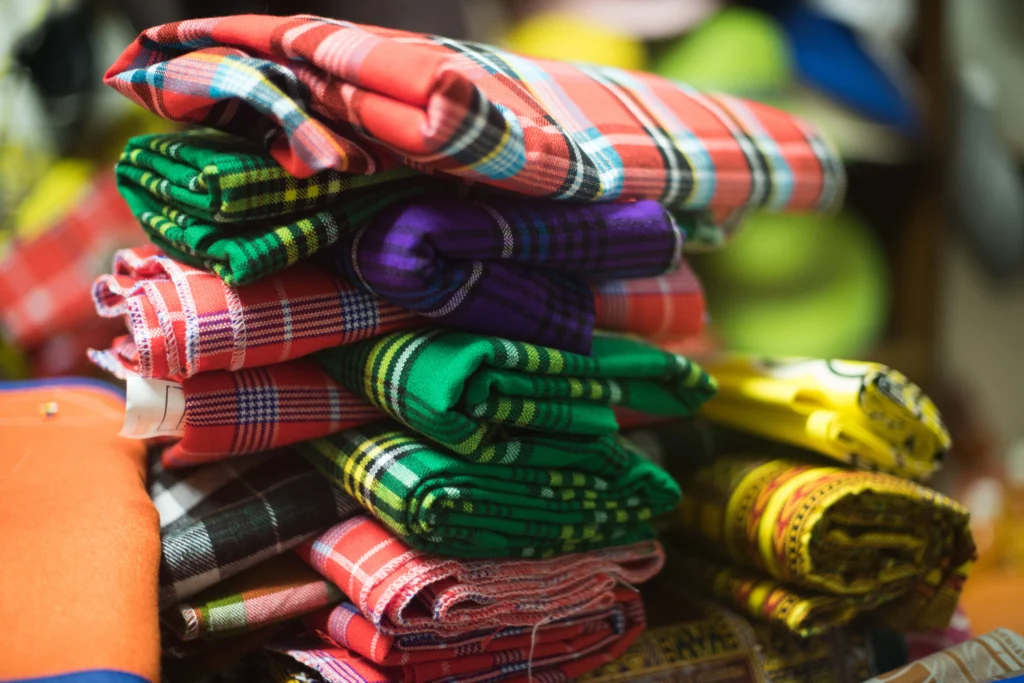
The distinctive stitching of tartan is an important pillar of Scottish culture, portraying switch clans and heritages. It is very important and even a matter of embarrassment for anyone who wants to respect such customs to trace their origins and learns to find the exact tartan.
Tartan History:
The origins of tartan patterns date back to the ancient Scottish region. The fabric was made of wool, and it used to have distinct checks woven into it, and these checks were linked to different clans.
Tartan started becoming a thing in the 16th century, especially when it was used to show allegiance to the clan.
The 19th century introduced the idea of universal tartans. People without clan affiliations were given the freedom to sport these patterns. Tartan is now recognised all around the globe and still stands strong as a symbol of Scotland.
How to Choose Your Tartan:
Combining colors, patterns, and family heritage into the perfect piece can feel very personal when choosing tartan. Most people will begin their journey by searching for guides like the Tartan and Clan Finder, which show their clan’s tartan or clan crest to get an understanding of their family roots.
Black Watch.. Royal Stewart. Does any of this ring a bell? If so, you are in luck because these are great universal tartan options for people who don’t have a known clan. Whichever piece you end up choosing, make sure it isn’t too formal or too casual, and instead, maintain a perfect balance. Wearables should invoke an emotion. If they make you emotionally express your innermost thoughts while embracing Scottish culture, then you have found a perfect tartan.
Harris Tweed Jackets: Clothes that Narrate Stories of Craftsmanship:
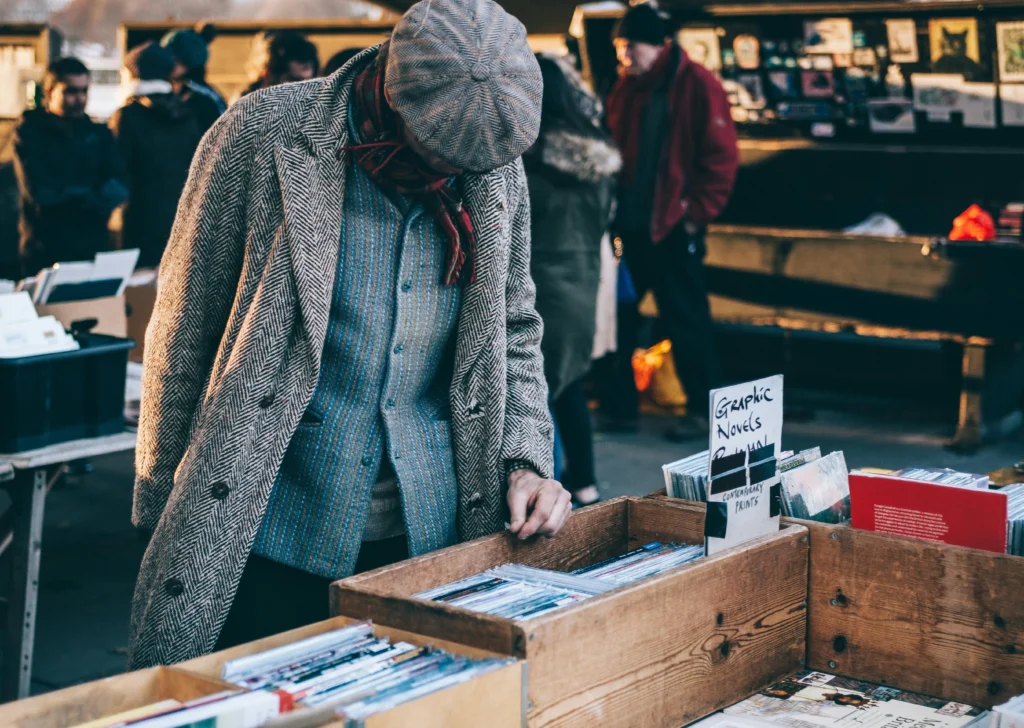
Harris Tweed jackets are an extravagant example of fashion’s history, sophistication, and craftsmanship. The intricate craftsmanship of the fabric itself weaves a story, with the luxurious wool tweed being handspun in the Outer Hebrides’ skilled Scottish islands of Harris and Lewis.
Authenticity is not lost either, as each piece carries the “Harris Tweed” mark of verification, imbued with a distinctive label certifying true craftsmanship.
Both treasured for their classy appeal and effortless charm, Harris Tweed jackets complete the ensemble of formal and informal attire.
No matter the occasion, from grand functions to relaxing gatherings, the soft texture and weather-withering capabilities of the jacket are bound to turn heads, making Harris Tweed jackets a matter of Scottish pride and timeless appreciation across the world.
The Sporran:

The sporran is one of the important components of the Highland dress, and is a most noticeable feature of a traditional Scottish outfit. It has great functional value as a purse for carrying appropriate items and at the same time greatly improves the appearance of the ensemble. Knowing the design and types of sporran can assist anyone who wants to understand its relevance and make a selection that appropriately serves their purpose.
Design and Function:
Sporran is usually associated with the front part of the waist, approximately above the beltline, and is attached to the waist with a belt or chain. It is made from leather or animal hide and often comes with ornamental “fringe” tassels or badge decorations.
Types of Sporans:
There are several types of sporran, each suited for different occasions and types of events.
- Day Sporran: Usually worn casually, these sporrans are made of leather with a simple design and few embellishments.
- Dress Sporran: Used for formal events, these more ornate sporrans feature intricate designs with additional decorative buckles and tassels.
- Semi-Formal Sporran: This type of sporran is a blend of casual and formal, featuring some extra adornments while still practical for day-to-day use.
- Highland Dress Sporran: Worn with Highland dress, these sporrans feature stunning designs that can be worn with different tartans.
Selecting the appropriate kind helps the wearer accent the kilt while enhancing his cultural expression.
Ghillie Brogues:

An integral part of the Scottish outfit, Ghillie brogues are widely used on Scottish occasions. For those aiming to unlock the Scottish culture, these shoes come with distinct features only known to fashion enthusiasts.
Characteristics of Ghillie Brogues:
Brogued ghillie is unique in design and is fitted with closed lacing where the eyelets for the laces are stitched on the upper side of the shoe. Unlike traditional designs, these elements make the shoes much more functional and give a historical appeal.
These shoes are not only good-looking, but they are also very practical. They are crafted using black or tan leather and come with thick leather soles that provide comfort and durability, particularly on varied terrains.
When to Wear Ghillie Brogues:
The best time to wear Ghillie brogues is during formal events like weddings, ceilidhs, and other social gatherings where wearing a traditional Scottish dress is highly encouraged. Brogue sandals are a vital part of a Scot’s festival attire, especially during the Edinburgh Festival or Highland Games.
Ghillie brogue sandals also fit well during Scottish cultural celebrations and their accompanying ceremonies, where a kilt is worn. In some situations, these sandals can even be worn in casual settings, coupled with a smart casual outfit.
Sgian Dubh:

(For Illustrative Purposes Only)
The Sgian Dubh is an intricate piece of Scottish dress. Besides its practical use, the Sgian Dubh has a rich cultural history. One must learn its relevance and customs as part of Scottish culture.
Meaning and Pronunciation:
In Scottish Gaelic, “Sgian Dubh” means black knife. The Black knife is shaped like a “skee-an doo” sword. This weapon dates back to the 16th century and was made for practical uses like cutting food.
These days, the Sgian Dubh is often worn with highland attire. It is usually placed in a kilt sock.
It significantly boosts the quality of the set.
It may have different styles with some sporting golden or silver stag horns or a Stag head. Numerous others add intricate patterns or engravings for refinement.
Customs and Etiquette:
With a Sgian Dubh, one has to consider what customs he should observe. Traditionally, the blade is placed at thigh height and should only be visible by the magnitude of the hilt, which is placed in the sock. This position shows great respect towards the weapon and its ancestry.
It is also important to note that the Sgian Dubh is worn correctly in formal settings. For instance, the knife must not be unsheathed while dining since that may be considered hostile. In certain contexts, it is polite to greet someone with a friendly knife presentation.
These customs emphasize the Sgian Dubh’s significance not solely as an ornamental object but as an emblem of Scotland’s pride and history.
Scottish Bonnets:
(For Illustrative Purposes Only)
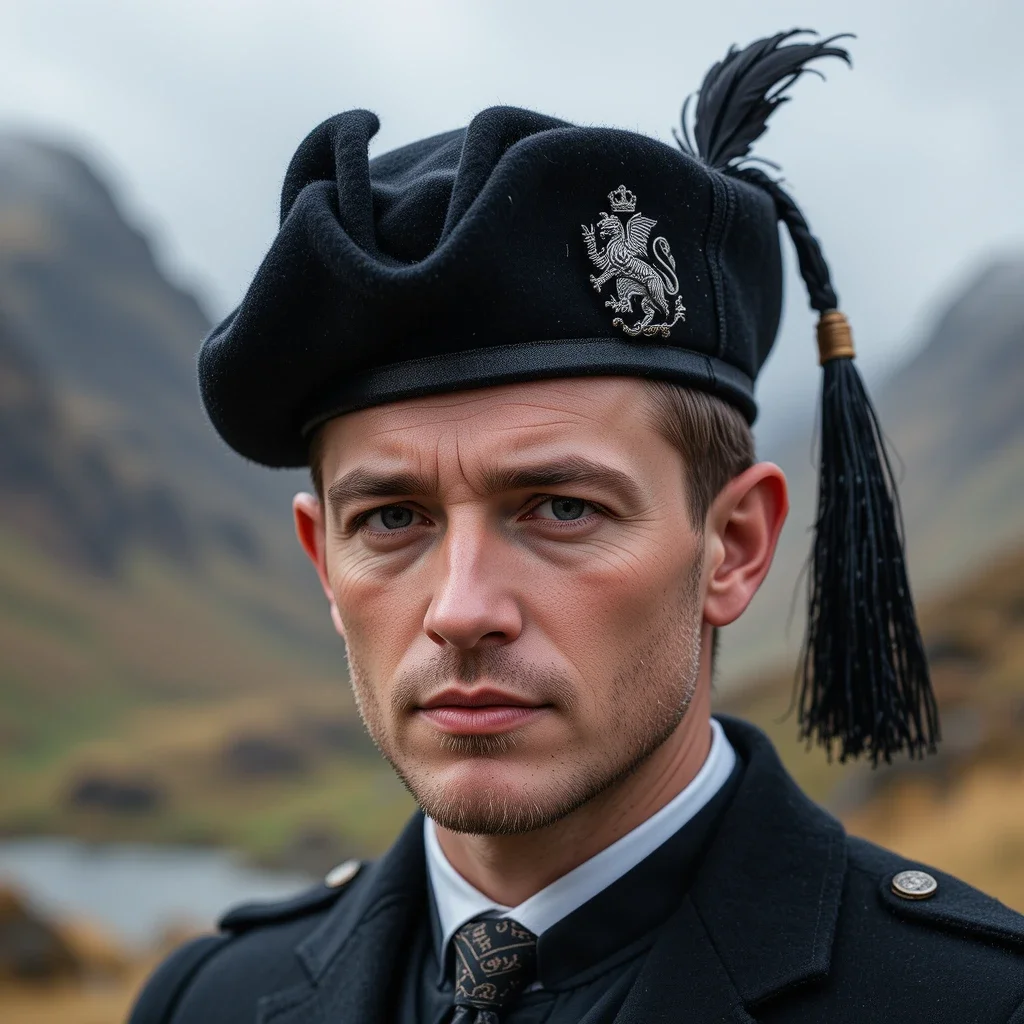
Scottish bonnets form an integral part of the National dress and reflect the culture alongside the region. All over the country, there are various kinds of bonnets, each has its custom and importance in Scottish clothing.
Types of Bonnets:
Scottish bonnets have considerable Tam O’Shanter, Balmoral, a nd Glengarry as their main types.
- Glengarry: This is a cap with a conical taper, which is often worn with a kilt. It is usually dark wool with a ribbon or cockade mounted on the front of the cap.
- Balmoral: The Glengarry is more rounded than this bonnet, which bears a pom-pom at the top and has a strong association with Scottish formal headwear.
- Tam O’Shanter: This bonnet, named after the title of one of Robert Burns’s poems, is wide and flat and features a tassel. It is often made with tartan fabric, adding flair to more casual attire.
These bonnets can be worn for a variety of events such as weddings and parades, and each style showcases a different part of Scotland’s rich culture.
Fly Plaid:
The Highland Fly Plaid is an ornament which forms part of Scottish Highland dress and is worn parallel to a kilt. It contributes grace as well as bringing old-world charm to formal wear. Knowing its correct placement and what it signifies is important for a person who is a part of Scottish culture.
How to Put on a Fly Plaid:
(For Illustrative Purposes Only)
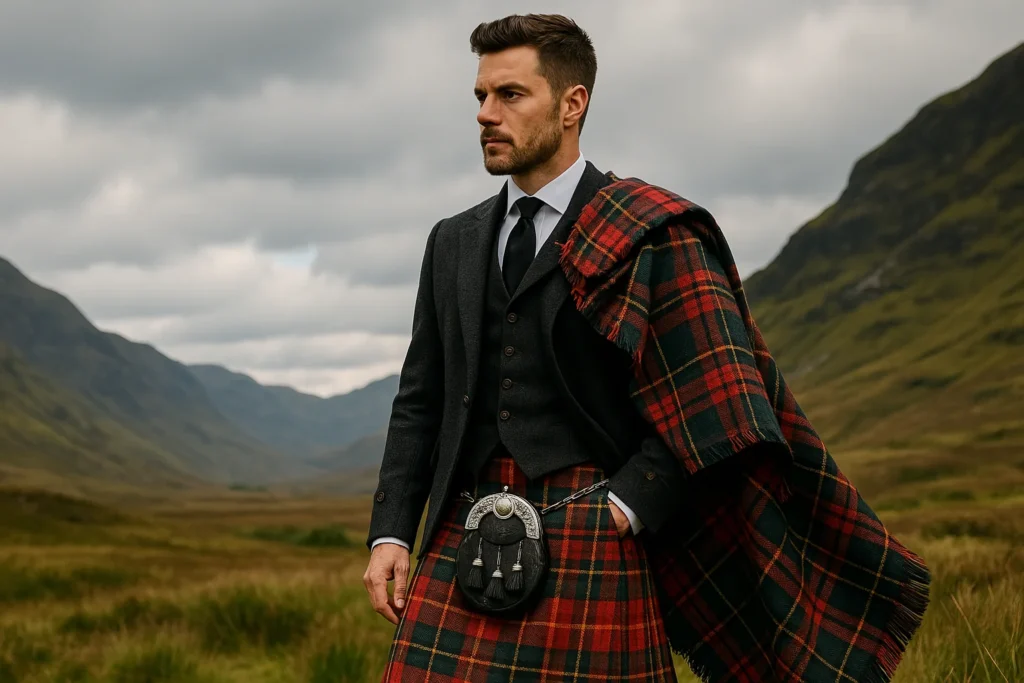
The Fly plaid is placed on an individual’s back and features the tartar check. Therefore, it is placed on the left shoulder, and the tartan must also be placed to match the kilt.
The plaid is usually made of wool as the base fabric. Hence, the garment is both warm and stylish. Traditionally, it was made using a double width of cloth, standing about 3.5 yards.
Most men now pair it with a Prince Charlie jacket or an Argyll jacket. When placed, it is customary to use a decorative clasp to affix it. In addition to securing it within the plaid, they enhance the style of the garment.
Most Common Queries:
An overview of Scottish formal attire displays how diverse and unique these pieces of clothing are. Each item embodies deep meaning and heritage, which must be understood in order for one to appreciate its beauty.
What are the main features of a Scottish man’s attire?
Men’s formal Scottish clothing customarily features the kilt, which is a type of skirt made of tartan cloth. Sporran, which is a small pocket-like pouch, hangs in front of the kilt and is usually worn along with it. Other forms of Scottish menswear include Jackets, e.g, Doublet and Prince Charlie Jacket, along with belts and hose.
What about women – how do the differences impact their clothing?
The range of traditional clothing worn by women is far greater than that of a man. She usually wears and long skirt with a blouse or dress and pairs it with a shawl or sash, which is optional. Unlike those enumerated above, Scottish women’s formal clothing includes ankle-length tartan skirts that are a lot more common than càis, which is a long dress that can be styled in a few ways.
What components can you pinpoint in a Female Highland dress?
Typically exhibiting these several components, Female Highland dress includes a fitted bodice or blouse, shawl, plaid, and a tartan skirt with a scolted tartan. A shawl or plaid is commonly worn over the shoulder, along with a brooch or jewelry that matches the tartan as part of the dress.
What do the Tartans of Scotland signify for particular clans?
Most parents with Scottish roots value the clothing they wear, especially tartans, since they represent different clans and families. Generally, every clan is known to have a unique tartan design, which is composed of specific colors and patterns. In Scottish culture, wearing a certain tartan symbolises one’s clan affiliation and heritage.
What is the importance of garments in Medieval Scotland?
Clothes have always been crucial as far as medieval Scottish garments are concerned. Clothing also provides details about someone’s identity and social class. For example, people who belong to society’s higher class tend to wear expensive fabrics and intricate designs, while the rest of the population dress practically in simpler clothes.
How has traditional clothing influenced the modern Scots?
Most Scots today have a Scots touch in their clothing, which makes the attire both traditional and modern. Sometimes, designers use classic dress notes, such as tartan patterns, when designing casual clothes. Heritage can be celebrated this way without feeling constrained by current trends or how people live today.