

Introduction:
Tartan is synonymous with Scotland’s culture, both as a representation of roots and identity. It is worn in various ways, such as a Tartan dress or ties. In Scotland, Tartan goes beyond a mere pattern; it signifies family clans, and each clan tartan narrates the tale of a particular lineage.
Whether you are asking yourself, ‘What tartan can I wear?’ or looking for a surname tartan finder in search of your clan’s tartan, the options are limitless. From the simple red tartan to the blue and grey tartan, there is a tartan for every occasion.
People commonly wear tartan dresses and brown tartan clothes to showcase their Scottish heritage.
The House of Tartan possesses a wide selection of Scots clan tartans, including the Scottish clan tartans. In Scotland, Tartan goes beyond just fashion – it’s an emblem of nationality and rich Scottish history and culture.

Understanding Tartans and Surnames:
The Connection Between Surnames and Tartans:
Scottish heritage has long been associated with tartans, depicting the clans from Scotland and often linked to surnames. Each surname comes with a specific tartan, which enables one to trace their roots and find a tartan that represents their ancestry. Finding tartans is finding history.
Tools like plaid finders or websites like the House of Tartan enable users to browse through various clans of Scotland’s tartans. These passed down from generations tartans are unique and possess immense tartan meaning.
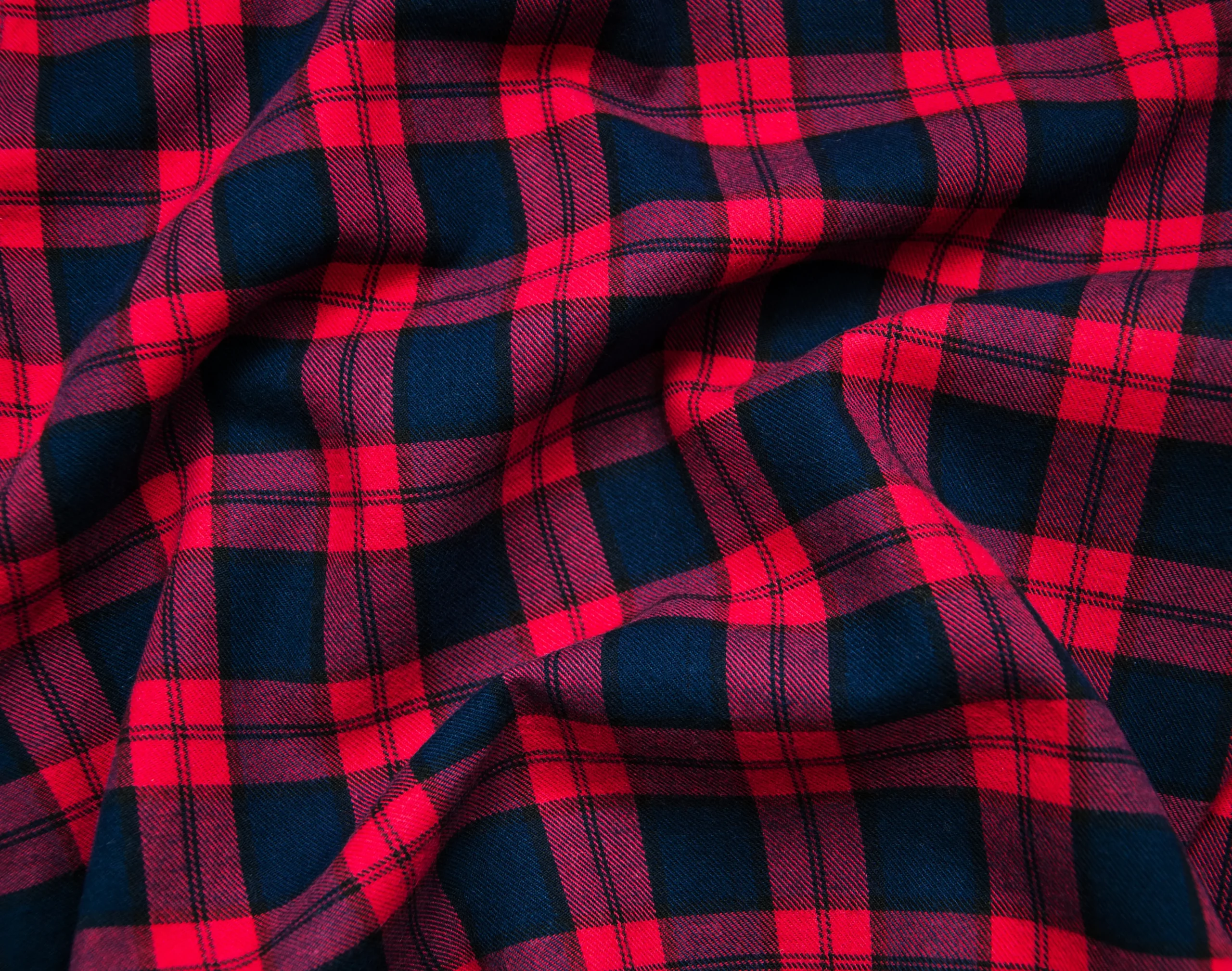
(For Illustrative Purposes Only)
Tartan Scotland clans that you identify as are essential to know because surnames will always exist with some historical variation or regionalised spelling.
This often leads to many people searching through the endless possibilities of representing their ancestral clan tartans in Scotland, whether it is the black tartan, the yellow tartan, or a specific family history tartan.
Visiting a tartan shop can provide several options for people interested in Scottish dresses, tartan jumpers, or looking for something more bespoke.
You can even purchase registered tartans, which ensures that the one you select will be genuine and relevant to your roots. Knowing these differences helps one appreciate the rich history of Scotland’s tartan clans.
Researching Your Surname:
Investigating your last name can reveal unique spellings throughout history, which could broaden your understanding of your ancestry.
Looking through family documents and genealogical records can be important when tracing your heritage, as names and tartans often changed over time.
Those looking for a specific tartan, whether a yellow tartan or a black tartan, can check with the House of Tartans or other tartan shops, which offer several registered tartans.
Whether you’re in search of a tartan jumper or Scottish dresses, researching the tartans of Scotland clans can deepen your appreciation of Scottish culture.
Exploring Clan Tartans:

(For Illustrative Purposes Only)
The Part Clans Played In The History of Scotland:
Scottish clans are family units that are scarred to the core by bloodshed. Due to common ancestry, these clans were bound to each other through relationships, loyalty and shared customs. The clans of Scotland tartans are an oath of unity, stating that every person of every design belongs to a given clan.
Importance of Clan Tartans Historically:
Tartans were at the forefront in demonstrating allegiances and clan affiliations back in the days.’ These specific patterns were largely utilised during battle, festivities, and other day-to-day activities. Clan heraldry of tartans from Scotland was more than just a piece of clothing, but rather a claim of heritage and identity.
Defining Your Clan Association:
Finding out a tartan representing your surname requires some detailed family tree work these days. The Scottish Register of Tartans is one of the resources that holds information with other clan-specific tartan lookup capabilities. But while doing so, one should keep in mind the loose nature of clan associations, as those were subject to change due to relocation, marriage, or shifts within social hierarchy.
Steps to Choosing the Right Tartan:
Investigate Family History
Investigate historical spellings and variations:
Studying the historical spellings and variations of your surname can lead to unique family connections to tartans. Using surname databases, you can locate associated family tartans that help trace ancestral origins, aiding genealogical research to find the family tartan or its possible relation to Scottish clan ties.
Utilise surname databases and tartan finders:
This might involve looking into maternal surnames alongside family clan connections, as many times tartans would be associated through maternal lineage. Look for familial ties through the grandmother’s side to gain a holistic perspective.
Research Sept Connections
A sept is an offshoot of a larger clan; your surname might be related to one. Research whether your last name belongs to a sept will help determine the parent clan tartan associated with your surname.
This could lead to discovering the distinctive patterns of the green and blue tartan or blue and green tartan, creating an opportunity for you to understand your history while wearing a tartan suit or plaid kilt.
Applying Considerations
When you are not tied to a particular clan, there are some universal tartans you might want to consider.
Search for tartans and kilts that suit your style the best. A lot of people wear tartan suits, tartan shirts, or even a tartan hat with no clan affiliation and rather personal preference. The Edinburgh tartan or the classic blue-green tartan might work for you.
Apply Design Your Tartan
If none of the existing family tartans is what you had in mind, then go ahead and design a tartan of your very own.
Work with some designers or make use of the numerous available online applications to build a custom tartan family that resonates with your heritage. You could custom-design a plaid kilt and even a black kilt skirt to depict the colours and patterns that represent your family’s narrative.
Frequently Asked Questions:
How many official tartans does Scotland have?
Currently, the Scottish Register of Tartans keeps a record of more than 10,000 individual tartans.
Are there any universal tartans which a person can wear independently of their lineage?
Yes, there are several universal tartans meant for use by everyone. The Highland Granite, Isle of Skye, and the Black Watch tartans, among others, are popular examples.
Where can I check if my surname comes with a tartan?
You can browse the database of the Scottish Register of Tartans Online and type in your surname to check if a corresponding tartan exists.
What if my surname is not directly linked to a tartan?
If you’re not associated with an emblem, perhaps you belong to a sept linked to a clan that features a broader family name. Alternatively, you can opt for a universal tartan or decide to create your own design.
How many clans are there in Scotland?
There is a varying number based on the source, but some estimates say there are more than a thousand clan names from Scotland.
Conclusion:
Selecting a tartan piece involves a powerful personal quest of exploring one’s heritage, identity, and cultural identity. Understanding how tartans relate to surnames and clan allegiances reveals Scotland’s rich historical fabric, weaving around connections, whether curiosity-driven or more personal.
Not every surname is tied to a specific tartan, but a thorough investigation, particularly into name variations and lineage, often yields surprising associations with clan roots. With more than 10,000 registered tartans, the options are broad and selecting one can be more than a personal act, serving as a statement.
The Scots-Canadian Tartan Registry and clan websites are invaluable in finding authentic associations.
Ultimately, wearing tartan is more than donning patterned fabric; it is about embracing a legacy with respect and pride.
By following the right steps and acknowledging the traditions behind each design, individuals can confidently wear their tartan as a statement of identity, belonging, and cultural homage to Scotland’s enduring legacy.