

(For Illustrative Purposes Only)
The Celtic nations are made up of a certain group of countries located in northwestern Europe, which currently preserve Celtic languages and cultures.
These countries include Ireland, Scotland, Wales, Brittany, Cornwall and the Isle of Man. Their coming together through shared bloodlines, history, and culture creates a sense of collective unity.
Even though every Celtic Nation possesses a distinct linguistic identity, they are connected through a Celtic language that is either currently spoken or has been revived for modern usage.
These languages, along with some regional traditions, set them apart from neighbouring territories and regions while helping sustain their ancient identity. Studying Celtic Nations helps in grasp the tremendous cultural diversity in Europe.
Due to their stunning nature, captivating folklore, enchanting music, and rich history, these regions attract some tourists. Learning about the Celtic Nations shows the astonishing resilience of certain languages and cultures, along with their integration into modern society.
Defining the Celtic Nations
Origins and Etymology
The word “Celtic” was derived from ancient cultures residing in chunks of Europe, particularly the Northwestern parts. Its root is thought to be the Greek term Keltoi, which was used to refer to people living outside Greece.
These people were part of the Indo-European familial root and spoke Celtic languages as a dialect of it.
With time, ‘Celtic’ was nearly exclusively used to refer to regions where the ancient people’s descendants still preserved some cultural elements and traits.
Currently, the principal Celtic nations comprise Ireland, Scotland, Wales, Cornwall, the Isle of Man, and Brittany. Each possesses a unique variant of Celtic languages, such as Irish Gaelic or Welsh, which binds them to their ancestry.
Criteria for Classification
To be considered part of the Celtic nations, a region generally needs two main features: the presence of a living Celtic language and a strong Celtic cultural identity. This means the area still speaks languages like Irish, Scottish Gaelic, or Breton and keeps traditions tied to Celtic history.
These regions often have unique symbols like the Celtic nation’s tartan, which reflects their shared cultural heritage. Though often called “Gaelic countries,” this term only applies where Gaelic languages are spoken directly, not in all Celtic nations. Defining Celtic countries also means recognising the role of language revival and cultural preservation today.
Overview of the Six Recognised Celtic Nations
Scotland
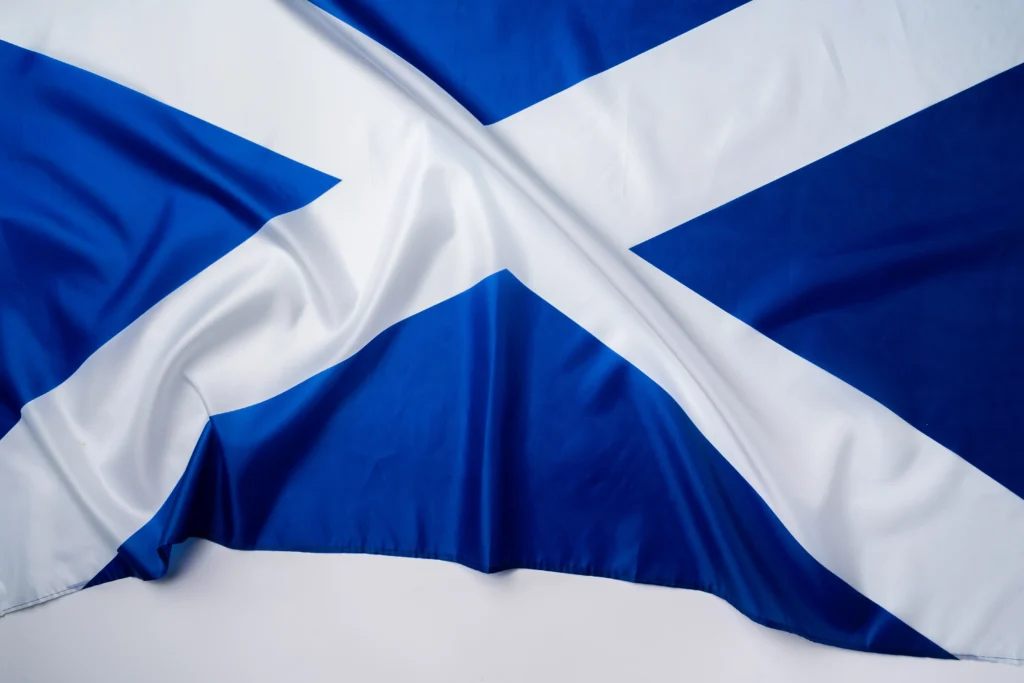
(For Illustrative Purposes Only)
The majority regarded Scotland as a Celt nation, which stems from the deeper Scots Celtic culture. Scotland forms one of the six Celtic nations due to its Gaelic language and heritage.
A minority speaks Scottish Gaelic, but it is culturally important as it is preserved with education and media.
The country has a deep history of Celtic art, music and folklore. Some events, such as Highland Games, aid in keeping Celtic traditions alive. Scotland’s Celtic identity is portrayed in its mythology in the form of clans and other Celtic clansmen.
Scotland as part of the UK, Scotland highly identifies with their Celtic nationhood in terms of Gaelic culture and language as it tries to preserve them.
Ireland
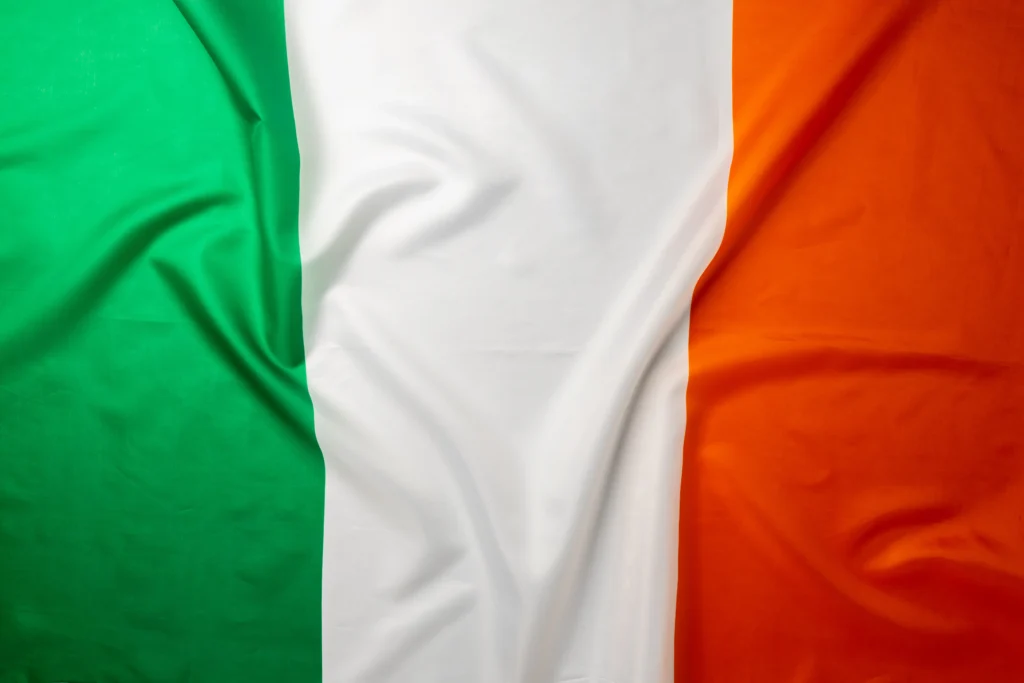
(For Illustrative Purposes Only)
Ireland is recognised as the cradle of the Celtic nations. Irish Gaelic is still actively spoken by some communities, especially in Gaeltacht areas where the language forms a fundamental aspect of everyday interactions.
Celtic music, dance, and storytelling also have a place in the bubbling culture of the country.
Ireland’s Celtic culture is rooted in the prehistoric past, including Celtic tribal societies and early medieval Christian monasteries.
Irish artistic works also feature Celtic knotwork and other Celtic symbols.
The Government of Ireland actively promotes and sponsors the use of the Irish language owing to its significance in national identity. Schooling and available media resources also aid in the preservation of the language.
The Celtic identity of Ireland is firmly anchored in the vitality of its language, and customs traditions.
Wales
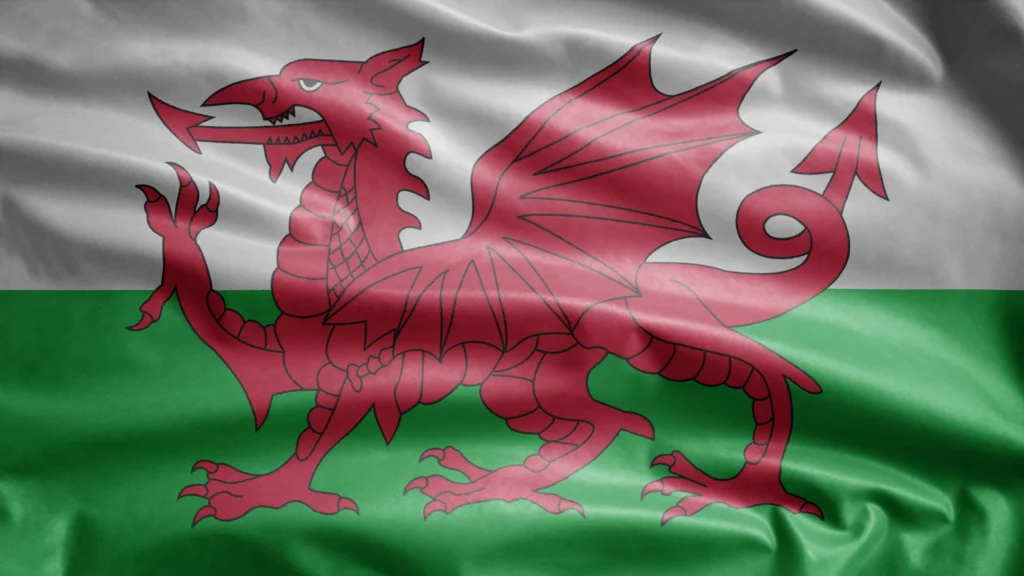
(For Illustrative Purposes Only)
Welsh is one of the most vibrant living Celtic languages and is spoken by a considerable proportion of the population in Wales. It enjoys an official status and is offered in schools, which enhances the preservation of Celtic heritage.
Welsh culture is rooted in Celtic legends, poetry and music. The Eisteddfod and similar events reinforce the Welsh artistic and linguistic heritage and show commitment to Celtic identity.
Its distinctive language and cultural institutions preserve Celtic Wales. It serves as a marker in the Celtic history and traditions of the U.K.
Brittany
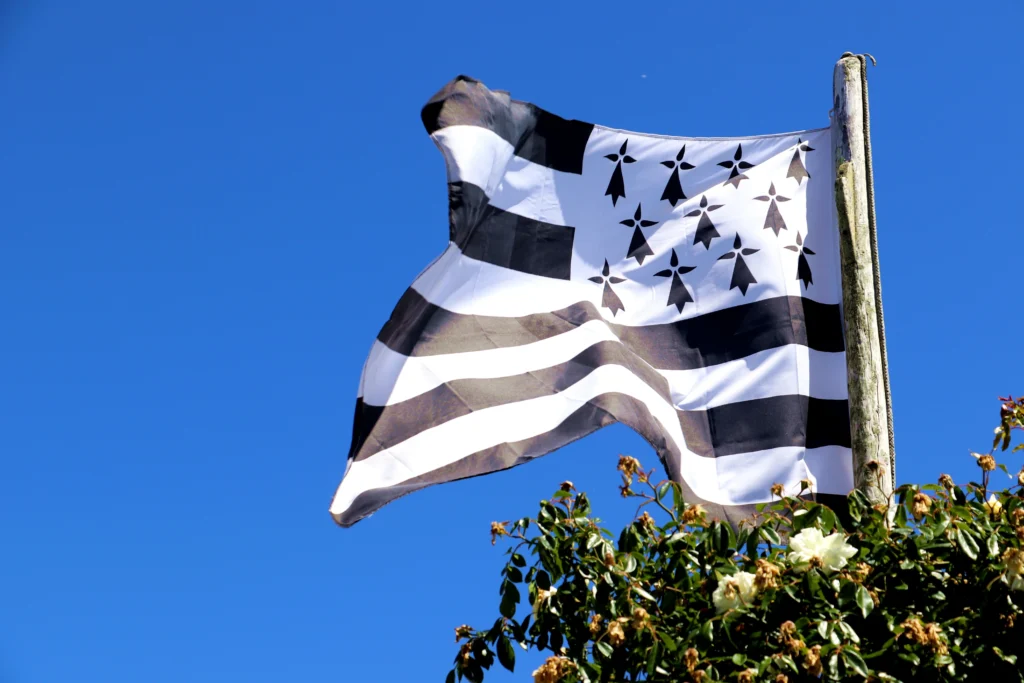
Due to its distinct Breton language and cultural heritage, Brittany in north-west France is recognised as a Celtic country.
Efforts are underway to revive the language, Breton, which is related to Cornish and Welsh and is still spoken by a minority.
Brittany Celtic music, dance, and festivals are created or inspired by ancient Celtic culture.
Although not part of the UK, Brittany still belongs to the six Celtic nations due to its linguistic and cultural connections.
Brittany has retained a strong sense of Celtic identity while also balancing the French national identity.
There are non-profit associations in charge of promoting, preserving, and teaching the Celtic culture and Breton language throughout the territory of Brittany.
Other Celtic Nations
Isle of Man and Cornwall
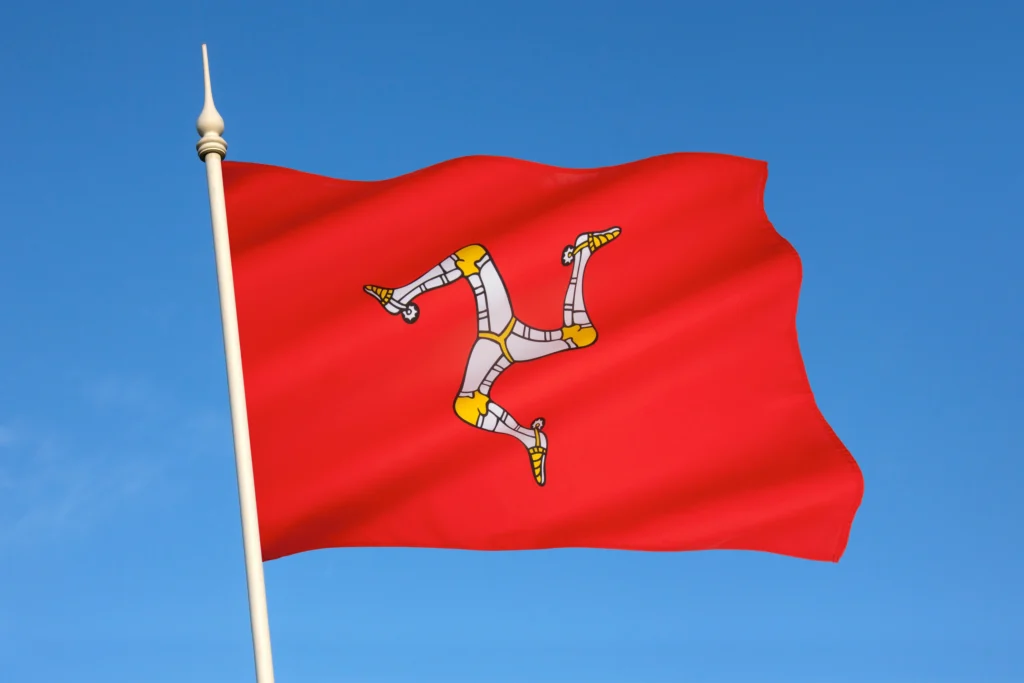
(For Illustrative Purposes Only)
Both the Isle of Man and Cornwall are included in the list of places referred to as “Celtic Nations” because they have either preserved or revived Celtic languages.
Manx is a Gaelic dialect of Irish and Scottish Gaelic and is spoken on the Isle of Man. Manx was almost a dead language but has been actively revived and is now taught in schools.
Cornwall, located in southwest England, has the Cornish language, which is also Brythonic like the Welsh and Breton languages. Although Cornish suffered a drastic decline, festivals and classes have contributed to a recent revival of the language.
Strong Celtic cultural traditions are still evident in both regions, from music and festivals to various symbols.
The Case for a Seventh Celtic Nation
Beyond the six widely recognised Celtic nations, Ireland, Scotland, Wales, Brittany, Cornwall, and the Isle of Man, some consider Galicia in Spain as the seventh Celtic nation.
Galicia claims ancient Celtic roots based on historical records, archaeological finds, and Celtic-inspired cultural elements.
Galician music, festivals, and folklore show Celtic influences, even though Galician language is Romance, not Celtic.
This proposal remains debated because Galicia lacks a surviving Celtic language.
Frequently Asked Questions
How many nations are regarded as Celtic Nations?
Generally, six nations are regarded as the Celtic Nations. These include Ireland, Scotland, Wales, Brittany, the Isle of Man, and Cornwall. The list has support from the Celtic League.
What does it take for a nation to be considered Celtic?
A nation is considered Celtic if it has a living Celtic language or possesses an element of strong historical Celtic culture. The existence of Celtic languages is one of the most vital factors in determining inclusion.
Which areas fall under the label ‘Celtic Nations’?
The label ‘Celtic Nations’ refers to places in Northwestern Europe where the attributes of Celtic languages and culture persist. These are Ireland, Scotland, Wales, Brittany (in France), the Isle of Man, and Cornwall (in England).
What are the distinct cultural characteristics of the Celtic Nations?
Celtic nations are known for their embroidered traditional dress and nobility, distinctive Celtic languages, folk dances, music, and legends. They exhibit similar artistic patterns as well as an affinity to the Celtic tribes and ancient history.
Please specify the flags connected with the Celtic Nations.
St. Piran’s flag represents Cornwall, while the Isle of Man utilises the three-legged emblem. The Isle of Man the three legs emblem, Brittany the Gwenn-ha-du, Wales the Red Dragon, and Scotland the Saltire.
What is the oldest known history pertaining to the roots of the Celtic peoples?
The ancestors of the Celtic peoples came from older European tribal groups that inhabited Europe and spoke Celtic languages. Their culture radiated to parts of Western Europe and later retreated to the area now known to be the Celtic Nations.