
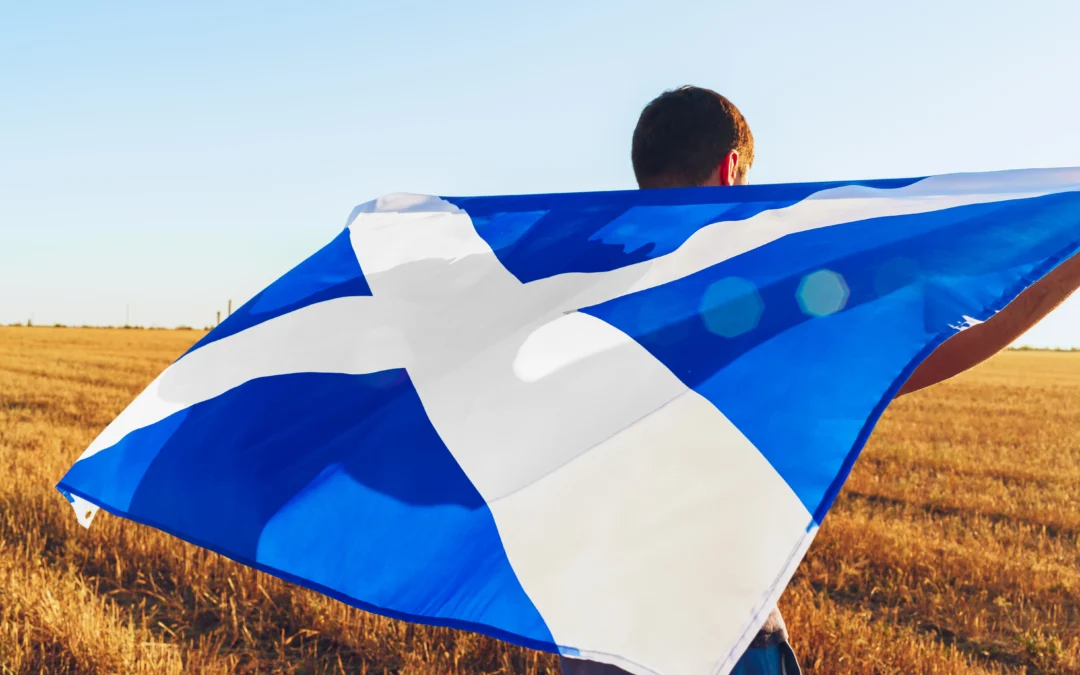
(For Illustrative Purposes Only)
As with many things, nationality as a classification blends into something different when identity and legal status intersect. For example, Scottish people consider nationality as more than a mere residence; it encompasses a very relevant history, culture and citizenship often symbolised by the iconic kilt and tartan patterns..
A Scottish person is indeed legally British, but there is another segment of the population that refers to themselves as British and considers Scotland a constituent part of their national identity.
Scotland constitutes a country within the United Kingdom, thus, people born or residing there automatically hold British citizenship.
However, Scottish nationality, as the kilt and tartan show, portrays ethnicity and culture rather than an exclusive legal nationality, which is often the case for Scots nationality.
Recognising the distinction between British and Scottish is crucial to understanding many aspects of identity in the UK.
Some Scots recognise nationality as rooted in the birthplace and genealogical tree, while some of the population emphasise citizenship and legal frameworks.
Understanding the Nationality of a Scottish Person
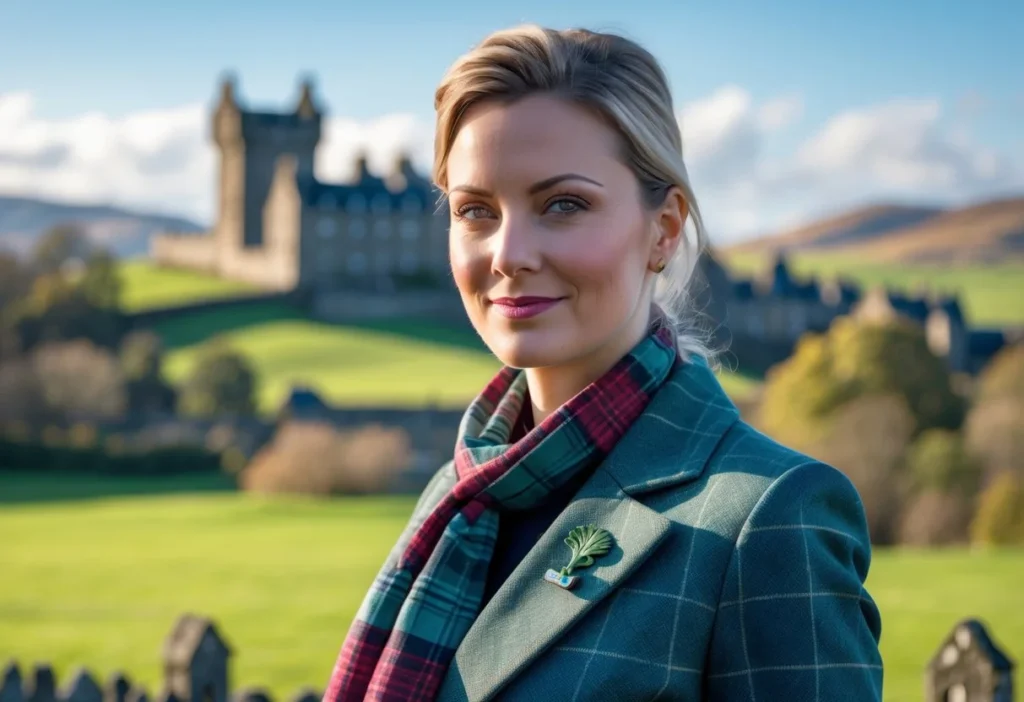
(For Illustrative Purposes Only)
Is Scottish a Nationality?
Scottish can be categorised as a nationality in sociological and ethnological aspects. Individuals born in Scotland or those who have Scottish lineage often consider themselves to be Scottish by nationality.
Generally, this identity is vivid and connects Scotland’s history, language, and traditions.
But, in law, Scottish nationality does not constitute an independent citizenship. Individuals born in Scotland are British Citizens since Scotland is part of the United Kingdom. Hence, this Scottish identity is only recognised as a national identity, which legally does not differ from British nationality.
Scottish Versus British Nationality
British nationals include Scots as one of the identities covered by British law. Citizenship encompasses English, Scottish, Welsh, and Northern Irish identities, which are all bundled into one.
Scots, particularly many Scots, accept the dual identity as British and Scottish. Whether someone accepts either one or both is influenced by socio-political motivations, personal circumstances, or even nationalistic pride. This combination of identities also explains why Scots frequently ponder questions such as “Am I Scottish or British?”
| Nationality Type | Description | Example |
| Scottish | Cultural and ethnic identity | Born in Scotland, speaks Scots |
| British | Legal citizenship | Possesses a British passport |
Scots’ Identity in Law Vs Culture
Within the context of law, there is no legal designation of Scottish nationality for a passport or immigration.
Every Scottish individual is a British national. Consequently, there is no such thing as Scottish nationality law in isolation. The Scottish laws on nationality are governed by the UK laws on nationality.
In terms of culture, people of Scottish descent are still recognised as distinct.
The place of birth alongside the ethnicity of one’s parents are considered as the dominant attributes which qualify Scots, unlike the mere use of residency in Scotland.
This cultural form of nationalism affects the domain of sports where Scottish rugby players are referred to the distinct nationality of British.
Dual Nationality and Related Issues for Scottish People
Dual Nationality and University Fees
Students from Scotland who are dual nationals might have varying university fee payments due to their citizenship and residency.
For instance, a Scottish and French national studying in Scotland may qualify for the same tuition fees as resident Scots if they satisfy the residency conditions.
On the other hand, students who do not hold the appropriate status might incur charges as international students.
Hence, the constellation of citizenships, Scottish and other nationalities, needs to make their funding decisions is vital.
In some cases, such as the UK and France, having dual nationality can lead to a wide range of educational opportunities, but that greatly depends on the specific area or educational institution.
Effects of Having Studied Dual British and Scottish Nationality
If Scotland were to gain independence, it is expected that Scots would still possess British citizenship, which would result in a significant population of dual nationals.
This would enable them to vote and work in both countries, but could also lead to legal and political complications.
Travel, tax, and even military service obligations are other areas greatly affected by dual nationality.
A citizen of both Scotland and France, for example, would have to deal with legislation from two nations simultaneously.
While it does foster a stronger sense of identity, there can be ambiguity regarding duties and entitlements associated with each citizenship.
Frequently Asked Questions
What term is applied to denote a person from Scotland?
A person from Scotland is often referred to as Scottish or a Scot. Both of these terms encompass ethnicity as well as national identity.
What are the eligibility criteria to apply for Scottish citizenship?
Scottish citizenship is tied to British citizenship. Generally, the following persons qualify automatically: a person born in Scotland, a person living in Scotland, or a British citizen residing in Scotland.
Can one acquire Scottish citizenship through descent?
Yes, one can claim British citizenship by descent through Scottish ancestry, referred to as Scottish citizenship by descent. This is subject to specific legal provisions pertaining to British citizenship.
What language skills can be possessed by an average Scots person?
Scotland is predominantly associated with the English language. There are also Scots and Scottish Gaelic, which are recognized as a separate languages, with Gaelic being more widespread in certain parts.
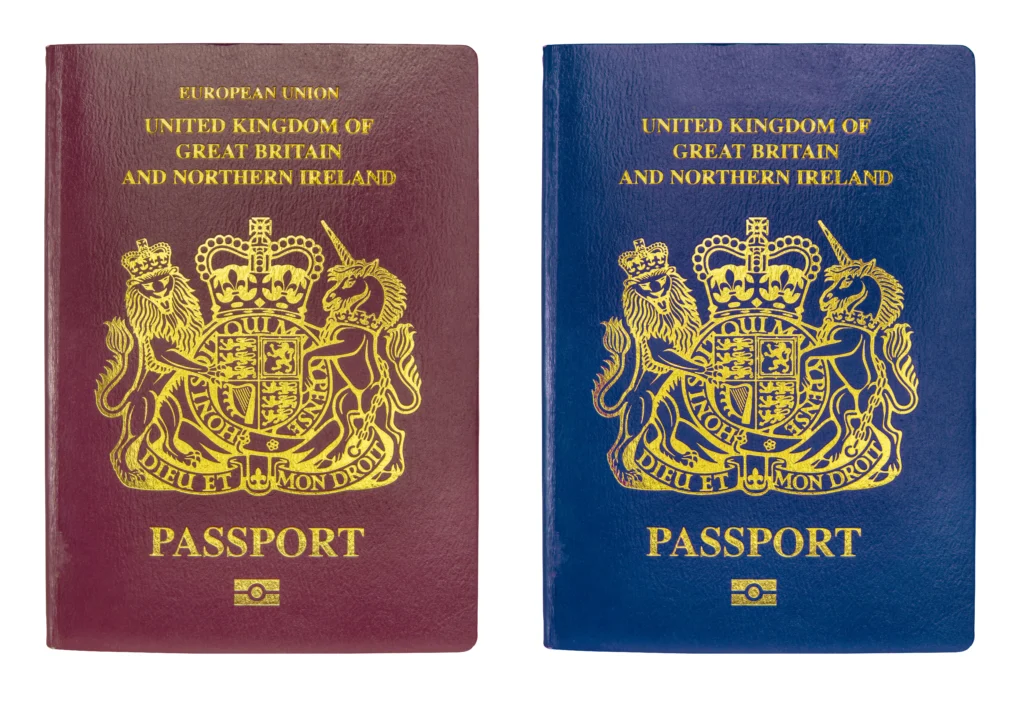
Is it correct to state that a Scottish passport is the same as a British passport?
Scotland does not issue a separate passport. For people from Scotland, their passport states ‘British Passport’, which indicates their country of citizenship is the United Kingdom.
What evidence can one present as proof of Scottish origin?
In the majority of cases, birth certificates show Scotland to be the place of birth. Their ethnic identification and self-identification in the census population register also aid in marking Scottish origin.
Can I have dual English and Scottish nationality?
Unfortunately, there’s no such distinction; formally, the nationality is British. English or Scottish refer to culture or place of birth, not a passport.
What is the nationality of Sean Connery?
Sean Connery was British by nationality, but Scottish by identity.
Is Scottish an ethnicity or nationality?
It is both an ethnic group and a cultural nationality, although not a distinct legal nationality.
Am I Scottish or British when it comes to nationality?
British, in legal terms. Scottish, in terms of cultural identity. These concepts are very different.
Common follow-up questions include those of the Scottish First Minister’s nationality or that of sports representatives, showing the mix of formal citizenship and cultural identity in Scotland.