
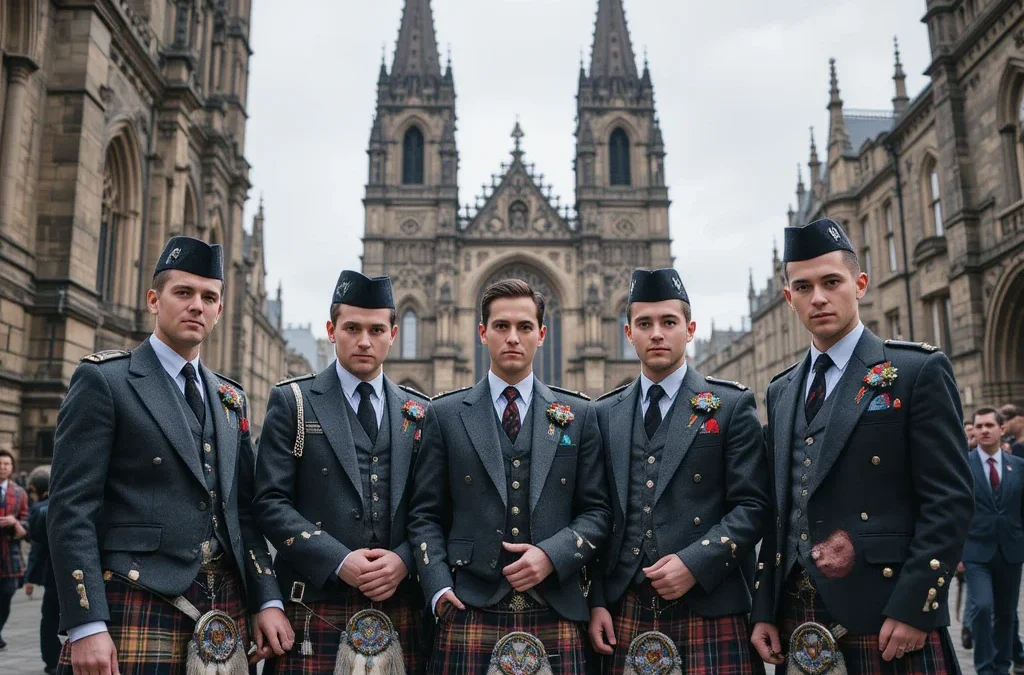
(For Illustrative Purposes Only)
Plaid patterns. Seen in everything from Scottish heritage to high fashion, plaid patterns have long been associated with a myriad of ideas, but their meanings and their origins are surprisingly nuanced.
For many, a plaid pattern brings to mind tartan kilts and scruffy outdoors people, but what does it mean, and where do those iconic designs come from?
Do the bold, checkered designs we know today even represent tradition, or are they much, much more than that?
While plaid has permeated everything from scarves to shirts, it can be easy to overlook the fact that each plaid pattern has a particular history as well, connected to the cultural tapestries of specific areas.
In this guide, we’re going to take a closer look at the origins of some of the most common plaid patterns, their history, and how they have adapted throughout fashion and culture for centuries.
So, whether you’re a bona fide fashion lover or just curious, the world of plaid has a lot more to it than you might think.
The Origin of Tartan and Its Plaid Patterns:
Ever wondered where the iconic plaid pattern originated? The Origins: Traditional plaid patterns derive from Scotland, specifically the Highlands.
Originally, tartan was woven with wool and dyed with natural colours, so each clan could over-gown their unique plaid patterns through neighbourhoods.
The styles were unique and not only embodied and represented one’s heritage, but they also provided warmth and durability, which was ideal for the Scottish climate.

These patterns, which became known as tartans, became closely associated with the kilts, the iconic Scottish garment, and soon became recognised as symbols of pride and tradition. Today, those wishing to celebrate that tradition often turn to Kilt Hire Glasgow to wear tartans with pride at weddings, ceilidhs, and cultural gatherings.
And the story of plaid, as it turns out, is not just about wool and colour; it’s about practicality and pride, too. The history of plaid is intertwined with the kilt, each kilt representing a distinct region, clan or family.
The plaid-influenced movement did not end with men; plaid kilt skirts for women were also a fashionable representation of Scottish heritage! But what style of plaid was favoured in those days?
Based on the chart, the most popular plaid patterns of the era were Hunting, Dress, and Ancient—all practical yet quintessentially fashionable! So, the next time you wear a plaid kilt, know you’re paying homage to centuries of tradition and fashion.
What Is Plaid? Understanding the Basics

Ah, plaid — the pattern that’s as closely associated with Scotland as a thumping bowl of haggis. But what exactly is plaid? Well, if you’ve ever wondered, think of a complicated matrix of intersecting horizontal and vertical lines, like a finely woven carpet for your closet.
This wondrous design has transformed from majestic and symbolic Scottish tartan, once as essential to clan identity as the Loch Ness monster is to Scottish tourism.
Plaid prints have centuries of history draping their sleeves, a fusion of rich Celtic heritage with a sort of magical tie to the land.
Each plaid pattern, from the timeless to the trendiest, can tell you a great deal about your origins and your destination, especially if your destination is the local pub for a pint.
Now, let’s dive into the nuts and bolts of plaid heritage. The word “plaid” itself derives from the Gaelic word for blanket, and I’ll tell you, that’s exactly how cosy this Scottish-culture mainstay is.
Traditional Scottish tartan plaids were woven to signify clan allegiance — nothing says “family loyalty” like wrapping yourself in your family colours.
As a seasoned kilt tailor, I’ll let you in on a little secret: When you’re wearing a plaid design there, you’re not just sporting a print; you’re proudly wearing a piece of history.
So the next time you don those plaids, take note—on you, you are wearing a portion of Celtic heritage.
Types of Plaid Patterns: Remembering the Different Names
When it comes to plaid, each pattern carries its legacy. Here are some of the most well-known types that have stood the test of time, each with its own story.
Scottish Tartan Patterns:

Traditional Scottish tartan is laden with historical significance, and every pattern is a story full of history, heritage and clan connections. These tartans embody the rich cultural heritage of Scotland and are ideal for those who want to be connected to centuries-old traditions.
- Douglas Plaid: A timeless, bold design marrying both green and blue plaid, reflecting the historic Douglas clan.
- Fraser Plaid: The Fraser Plaid is a classic, rich green and blue design said to represent the colours of the Fraser clan that is, to this day, known for their fierce pride.
Clan-Based Tartans:

Clan-based tartans are incredibly personal and unique and reflect the identity and challenges of the specific Scottish clan they represent.
And as symbols of family, heritage, and loyalty, wearing these tartans is as if wearing pieces of Scottish history itself.
- Macdonald Plaid: Designed in bright blue and yellow plaid fabric that reflects Macdonald’s strength and tradition.
- MacGregor Plaid: The MacGregor plaid features bolder, darker shades and embraces the rebellious nature of the MacGregor clan.
- Buchanan plaid: The Buchanan plaid contains lovely colours of green, blue, and yellow, which represent the nobility and honour of the Buchanan clan.
- Mackenzie Plaid: The Mackenzie plaid represents the royal heritage of the Mackenzie clan with an elegant palette of blues and greens.
Modern Plaid & Fashion Tartan:
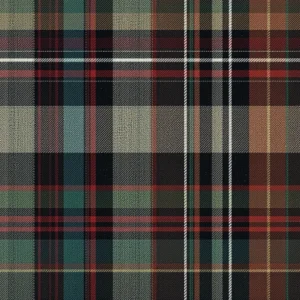
Modern plaid designs meld classic tartans with current runway trends, making them relevant to today’s stylish closets.
The tartans play sweet homage to their Scottish origins but also add fresh, modern interpretations that keep them front-and-centre in fashion.
- Green and Blue Plaid: The green and blue plaid is a classic colour combination that can revitalise itself with various modern takes but is still reminiscent of its traditional Scottish roots.
- Blue & Yellow Plaid Fabric: The blue and yellow plaid fabric is a modern take on a classic tartan, symbolizing the boldness and vibrancy of modern-day aesthetics.
Iconic Plaid in Pop Culture:
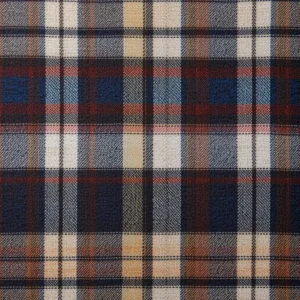
Plaid has risen above its humble beginnings to be a cultural icon, cropping up in movies, TV shows and on the runway.
Echoing throughout popular culture, these plaids have left their embroidered imprints on trends: from disco, to punk, to haute couture to street style.
The cadenced style of plaid has been reinvented generation after generation, all re-interpreting its chord of possibility in myriad ways.
- Green and Blue Plaid: Hailing from the Highland region of Scotland, green and blue plaid has achieved international acclaim, primarily via cinema and fashion, exemplifying a synthesis of time-honoured tradition and modern practicality.
- Yellow and blue plaid material: The yellow and blue plaid fabric is iconic, especially across pop culture, where its appearance has made a lasting impression on fashion icons and characters in films alike.
Plaid in Fashion: Its Journey from the Traditional to the Modern
Plaid is a far cry from those rugged heritage fabric patterns. Traditionally, plaid kilts for women are a great tribute to Scottish pride, but they have now transitioned into fashion.
It’s plaid’s evolution that made it a modern-day wardrobe staple, and the checks that plaid comes in by region — tartan, gingham, checkered — trigger both nostalgia and newness.
From a tartan shirt to a plush flannel jacket, plaid remains a statement of self and a link to history.

In contemporary style, plaid is not only a textile; it represents defiance, tradition, and casual chicness.
Now, plaid can mean anything from preppy to punk, with its place in both high fashion and everyday streetwear.
In modern times, the chart above shows how each plaid style ranks in popularity; Tartan takes first place, Gingham comes in second, and Checkered follows. Those patterns are emblems of both tradition and versatility.
What’s evident is that the enduring power of plaid in fashion is its capacity to balance tradition with more contemporary trends, rendering it a go-to choice across generations.
Plaid: A Global Influence with Timeless Craftsmanship

(For Illustrative Purposes Only)
Undoing and redoing global plaid, one pattern at a time. Plaid is a fabric that conveys a sense of old-world Scottish tradition, but its coloured and patterned cloth is now found all around the world (literally, from a regional pattern to a worldwide phenomenon)
Across the world, from the raw highlands of the UK to the noisy cadence of the USA, Canada, and France, plaid’s signature patterns now bring a distinctly cultural twist to every corner.
In the USA, it can be closely associated with the snug contentment of flannel shirts; in France, it appears on fashionable runways, and, yes, Canada seems to wear it quite proudly in its lumberjack style.
This map highlights the pervasive borderless nature of plaid, as it spreads to each corner of the globe, but matches the taste of the local palette while holding a sense of reverence to the craftsmanship in textile that brought it to the big leagues to begin with.
From a tartan weave associated with Scottish heritage to a bright, contemporary version in the fashion capitals, plaid has evolved into a global marker of chic and ease. The bottom line is that plaid is arguably more than a mere pattern; it’s a tribute to the craft of textiles that has been respected and reinterpreted across generations and continents.
Conclusion:
These plaid patterns all have different links to the past, and as we can see in this complete guide of plaid patterns and their name origin, it is possible to see every plaid pattern’s history, and you can find the name behind the plaid too.
Using a map that follows their global reach, we see how, over time, the patterns grew from regional importance to global fashion statements. Today, plaid is both a symbol of cultural identity and a popular fashion statement.
The map also shows how plaid is still popular in different cultures from Scotland to North America and beyond, showcasing the intertwining between new and old.
While this history of plaid might make you never want to wear one of its sets again, it also highlights how important it is to know where the patterns you are wearing came from, especially at a time when the echoes from the past are still so present.
FAQ:
What is the difference between plaid and check?
Plaid is defined as a two-dimensional pattern formed by the crisscrossing of horizontal and vertical lines in various widths and colours, while check patterns consist of squares of equal sizes and evenly spaced distances.
What’s the difference between plaid and tartan? What is striped plaid called?
Tartan is a certain type of plaid that is associated with Scotland, and it is a pattern made with a specific pattern and colour arrangement that, because of this was the representation of a certain clan or region.
How can I tell where a plaid comes from?
Its unique colour combination and arrangement of the pattern help in identifying its origin and hence associates it with a specific identity, either based on region or culture.
Is there a way to apply plaid patterns in modern fashion?
Yes, plaid is popular in modern-day fashion, seen everywhere from streetwear to high fashion, with designers embracing the element of nostalgia in new ways.
What are some popular plaid variations?
Some popular plaid features are: Plaid comes in several popular variations, including the classic Scottish tartan, the buffalo check and the gingham check, each with distinctive characteristics.